If your smartwatch buzzes “Time to stand” and you dismiss it because you are debugging a build on a Hinjewadi floor, you are not alone. Wakad and Hinjewadi host one of India’s densest clusters of desk-based jobs—often eight to twelve hours of sitting, plus commuting seated in cabs or shuttles. Patients ask a blunt question: Can sitting really harm the back passage?
The honest answer: sitting is one piece of a puzzle that includes constipation, straining, body weight, fibre intake, and toilet habits. Sitting does not doom everyone to piles, but for IT professionals with fixed deadlines, the combination is common enough that anorectal clinics near Wakad see a steady stream of young patients with bleeding, pain, and prolapse.
This guide explains science-backed mechanisms, ergonomic and movement strategies, and when to stop self-managing and see a specialist. Explore proctology care, fistula pathways in Pune, local fistula information for Wakad, and book a visit.
What “Sitting All Day” Means in the Wakad–Hinjewadi Corridor
Wakad residents often work in Hinjewadi IT parks; reverse commutes happen too. Add stand-ups (ironically done while standing briefly, then more sitting), late-night releases, and weekend catch-up on laptops, and “ten hours” becomes conservative. Prolonged sitting reduces overall energy expenditure and is associated in public health data with cardiometabolic risk—and it shapes gut and pelvic habits in ways that matter for hemorrhoids sitting patterns (straining, hard stools, delayed toilet visits).
“But I exercise in the gym—doesn’t that cancel sitting?”
A hard evening workout in a Wakad society gym helps overall health, yet prolonged uninterrupted sitting still produces its own signals: lower lipoprotein lipase activity, altered glucose handling, and—for our topic—pelvic congestion during the very hours you are constipated or postponing toilet visits. Think of gym time as essential but not a free pass for twelve sedentary hours in Hinjewadi unless you break them up.
Night shifts, US calls, and your bowel clock
Many IT teams on Hinjewadi campuses rotate shifts or join late-night calls with US clients. Shift work disrupts circadian rhythm; for some people that means altered motility, bloating, or alternating constipation and loose stools. Both extremes irritate the anorectum. If your schedule is fixed, anchor meals, sleep, and a predictable toilet window—even if it is not “morning”—so your gut has rhythm.
The Straight Story: How Sitting Links to Piles Risk
Hemorrhoids are vascular cushions that help continence. They become symptomatic when veins dilate and tissue prolapses or thromboses. Straining raises intra-abdominal pressure; constipation makes straining inevitable. Sitting compresses the perineal area and, especially with slouched posture, alters pelvic dynamics; together with low daily step counts common near Hinjewadi, blood return from the rectal area can be less efficient during long static periods.
Sitting also correlates with lifestyle drift: more takeout, less sleep, more caffeine, less water—each a constipation contributor for susceptible people. So when researchers discuss sitting health risks, they rarely isolate hemorrhoids alone; they describe a cluster of behaviours that desk culture amplifies—exactly what we observe in Wakad tech workers.
Blood flow, pressure, and why your chair matters
When you sit, especially slouched, intra-abdominal pressure rises modestly but persistently. During Valsalva (holding your breath while pushing stool), pressure spikes dramatically. Hemorrhoidal veins are part of a low-pressure system that tolerates daily life until straining, hard stool, pregnancy, or chronic cough overwhelm it. For IT workers on the Hinjewadi–Wakad route, the classic story is: low water intake → hard stool → smartphone on the toilet → long push—in effect, sitting twice, at both desk and commode.
Central weight gain and pelvic load
Sedentary behaviour contributes to central adiposity in many people; WHO’s messaging on inactivity ties closely to overweight and obesity trends worldwide. Extra tissue around the abdomen increases pelvic pressure and can make hygiene and wiping more difficult—subtle factors behind itching and discomfort written off as “only heat.” Weight management is therefore not cosmetic trivia for desk workers—it is anorectal prevention.
What Research Says (With Sources)
-
WHO on physical activity and sedentary behaviour: WHO states that insufficient physical activity is a major risk factor for noncommunicable disease and that more movement and less sedentary time are pillars of health promotion. While WHO frames the big picture (heart disease, diabetes), the same movement deficit shows up in constipation and weight gain—two hemorrhoid promoters for Hinjewadi employees.
-
Hemorrhoid prevalence in adults: Patient education from the American Society of Colon and Rectal Surgeons cites that about 50% of adults may experience hemorrhoid symptoms by age 50. That statistic reminds young professionals that piles are not rare or shameful—they are a common human issue worsened by modern work styles.
-
Workplace stress and health behaviours: Multiple India corporate wellness surveys report that a large share of employees—often cited around four in five in some year-on-year reports—experience sustained stress. Stress affects sleep and diet, which loops back to bowel habits. If you live in Wakad and joke that “stress is a feature, not a bug,” your gut may disagree.
Ergonomic Tips That Actually Help (Not Marketing Gadgets)
- Chair height: Feet flat, hips slightly above knees if possible; reduces slouching that increases abdominal pressure.
- Lumbar support: Maintains neutral spine; slouching + Valsalva on the toilet later is a bad combo.
- Monitor at eye level: Prevents forward head posture that cascades into poor core engagement while seated in Hinjewadi bays.
- Stand for calls without a fancy desk—two stacked reams of paper under the laptop for a 20-minute meeting already changes pressure dynamics.
- Avoid prolonged toilet phone scrolling—a hidden “sitting” risk in office washrooms near Wakad campuses.
Exercise Breaks You Can Do Without a Gym Membership
- Hourly 3-minute walk—to hydration station, colleague, or staircase.
- Glute squeezes and calf raises at the desk (low embarrassment, real circulation benefit).
- Evening 20–30 minute brisk walk in your Wakad society or Hinjewadi periphery—helps weight and constipation.
- Core breathing: diaphragmatic breathing reduces habitual breath-holding; breath-holding while straining on the toilet spikes pressure.
Bike commuters: saddle pressure is still “sitting”
Thousands ride two-wheelers between Wakad and Hinjewadi. Vibration and perineal pressure from long rides can irritate external hemorrhoids or a healing fissure. Use breaks, padded shorts if needed, and don’t ignore bleeding attributing it to “heat.”
Fibre, Fluids, and Toilet Habits (The Unsexy Foundation)
Target 25–30 g/day fibre from food unless your doctor restricts it. Pair with water—air-conditioned offices in Pune dry mucosa and stool. Respond to urge without finishing “one more email”—that single habit prevents hard stools that make hemorrhoids sitting misery worse.
Office canteen swaps (practical for Hinjewadi towers)
Choose thali with sabzi and dal, salad, fruit, and whole grains when available; limit daily fried + refined flour combos that constipate. Carry a refillable bottle visible on desk—behavioural cue beats good intentions during sprint week in Hinjewadi.
Caffeine, energy drinks, and the dehydrated stool
Caffeine in moderation is fine for many; excess with inadequate water hardens stool. Energy drinks do not replace hydration. If you are on four coffees for overnight release support near Wakad, match with water and fibre.
When to Get Checked (Stop the Self-Diagnosis Loop)
See a proctologist if you have rectal bleeding, painful lumps, prolapse, persistent itching, mucus discharge, or change in bowel habits. Age-appropriate screening for other conditions matters too—do not assume blood is “only piles.”
Sharvari Hospital in Pimple Nilakh is about five minutes from Wakad—practical for a lunch-hour referral from Hinjewadi if your employer allows. Start with proctology; if discharge or recurrent boils dominate, read fistula treatment Pune and fistula treatment Wakad. Book online.
How Sharvari Hospital Supports Desk Workers
We understand leave anxiety. Consultations focus on accurate diagnosis (including proctoscopy when indicated), graded treatment options, and recovery timelines compatible with IT schedules. You receive clear language—not intimidation.
Myths That Keep Wakad Professionals From Getting Help
- “Young people don’t get piles.” Symptomatic hemorrhoids occur across ages; desk habits lower the age we see in clinic.
- “Bleeding is always piles.” Fissures, polyps, inflammatory disease, and other conditions exist—examination matters.
- “Ayurvedic oil alone will cure.” Some soothe symptoms; persistent bleeding still needs evaluation.
- “If I ignore it, it will resolve.” Sometimes—but anemia, thrombosis, and missed diagnoses are real risks for Hinjewadi workers delaying months.
Putting It Together: A Realistic Weekday Plan
| Time | Habit |
|---|---|
| Morning | Water + fibre-rich breakfast before cab to Hinjewadi |
| Each hour | 3-minute walk break |
| Lunch | Not at desk daily |
| Post-work | 20-minute walk in Wakad neighbourhood |
| Toilet | No phone; respond to urge |
When “Small Symptoms” Still Deserve a Proctology Visit
Not every itch needs surgery—but new symptoms in someone under forty still deserve documentation. Early grade-I internal hemorrhoids may respond to conservative care in weeks; ignored bleeding may lead to anemia that shows up as brain fog in code reviews near Hinjewadi. If you are optimizing sprint velocity, optimize hemoglobin too.
Partnering with your primary physician
Your corporate health check may not include a proctoscopy—and that is okay. If occult bleeding is suspected, your physician may advise basic blood counts. Proctologists add targeted anorectal examination when symptoms localize. Think of it as narrowing the bug before you patch production: don’t guess at the root cause from Stack Overflow threads.
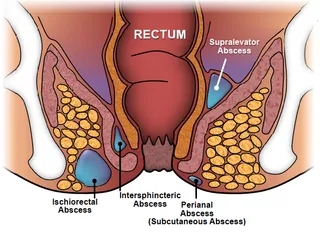
Finally, if you already know you have fistula or abscess history, sitting hygiene and pressure management remain important after treatment—follow-up pathways are outlined for Wakad readers on fistula-treatment-wakad and city-wide on fistula-treatment-pune.
Frequently Asked Questions
Does sitting cause hemorrhoids?
Sitting contributes indirectly via pressure, posture, and paired habits like low activity and constipation—not as a single direct cause in everyone.
How much sitting is harmful?
Risk rises with many consecutive hours without movement; there is no single magic number, but 8–12 hour desk patterns common near Hinjewadi warrant breaks.
What exercises help desk workers prevent piles?
Walking, core breathing, and reducing straining matter more than trendy ab crunches.
What ergonomic changes help anorectal health?
Neutral spine, regular standing, and avoiding long toilet sitting with phones.
When should I see a doctor for rectal bleeding?
Always for new bleeding, significant bleeding, or associated symptoms—book via book-online.
Dr. Kundan Kharde, MS, FMAS — Senior Proctologist, Sharvari Hospital Pune
Located in Pimple Nilakh, 5 minutes from Wakad — Book your consultation with Dr. Kundan Kharde at book-online.
Disclaimer: Educational content; not individualized medical advice.