Piles (hemorrhoids) can be uncomfortable, embarrassing, and disruptive to daily life. Many people try home remedies first, but when bleeding, pain, and itching become recurring, it’s a sign that you need proper proctology evaluation. At Sharvari Hospital in Wakad, Pune, the goal is simple: identify the exact type and grade of piles and then choose a treatment plan that supports faster recovery and long-term relief.
In this guide, we’ll explain what piles are, how doctors confirm the diagnosis, and what “best piles treatment” usually means in real life—especially when you’re considering laser and minimally invasive options.
What are piles, and why do they keep returning?
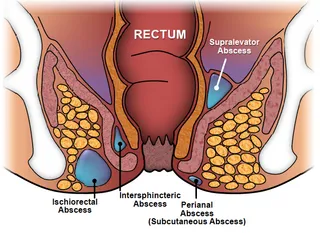
Piles are swollen vascular (blood vessel) tissues in the anal canal. They can become irritated and enlarged due to straining, constipation, prolonged sitting, and other triggers. People commonly notice symptoms like bleeding during bowel movements, itching around the anus, pain when passing stool, and a feeling that the bowel is not fully empty.
When piles are not treated based on grade and anatomy, symptoms can return. That’s why the “best” treatment is not one-size-fits-all—it’s the right procedure for your findings.
How is piles treatment chosen in Pune?
During your consultation, the proctology specialist evaluates the severity of the condition and checks for important related problems such as fissure or fistula. The approach typically considers:
- Your symptoms (pain level, bleeding frequency, itching)
- Whether the piles are internal, external, or mixed
- The grade of piles and tissue involvement
- Stool habits and constipation risk
- Any past treatment and overall health
Based on this assessment, doctors may recommend medical management, stool and diet correction, or a procedure. When a procedure is needed, advanced laser and minimally invasive options are often considered for suitable patients at Sharvari Hospital.
If you’re looking for the dedicated service page, you can explore /piles-treatment.
What is laser treatment for piles?
Laser treatment for piles is designed to reduce and treat the enlarged hemorrhoid tissue using targeted energy. The key advantage is that it typically aims for less tissue trauma compared to more extensive traditional approaches, which can support comfort and functional recovery.
Not every case is the same. Laser and minimally invasive approaches are usually chosen after the specialist confirms your anatomy and grade. For some patients, other procedures (such as ligation or surgery) may be more appropriate depending on the findings.
What symptoms improve first after treatment?
Many patients notice symptom improvement gradually as healing progresses. Common early improvements include reduced bleeding episodes and less irritation. Pain and discomfort typically ease as the treated tissue heals and the anus returns to a more comfortable state.
Your recovery is also strongly influenced by supportive care:
- Consistent stool-softening and fiber guidance
- Hydration
- Hygiene and wound care instructions
- Follow-up visits to confirm healing
Recovery after piles treatment: what to expect
Recovery timelines vary by procedure type and your baseline health, but minimally invasive approaches are often chosen because they can help patients return sooner to daily activity with less post-procedure burden.
Your surgeon will provide personalized recovery instructions, including diet progression, pain control guidance, and warning signs that require immediate attention.
Common questions patients ask
Can piles be cured permanently?
Piles can be controlled effectively, and recurrence risk can be reduced when treatment matches the piles grade and you also maintain stool health. A consistent plan for fiber intake, water intake, and avoiding prolonged straining is critical.
Is laser piles surgery painful?
Laser procedures are planned with appropriate anesthesia and pain control. Most patients experience mild discomfort and can follow a comfort plan provided by their doctor.
What is the cost of piles treatment in Pune?
Costs depend on the piles grade, procedure choice, diagnostic tests, and your personal treatment plan. The most accurate estimate comes after your in-person consultation at Sharvari Hospital.
When should you see a proctology doctor urgently?
Seek urgent evaluation if you notice:
- Heavy or persistent bleeding
- Severe pain that is worsening
- Fever or signs of infection
- Symptoms that are not improving over a few weeks
Getting the right diagnosis early prevents complications and improves your chances of a smoother recovery.
Book Your Appointment at Sharvari Hospital
If you’re in Pune and looking for advanced piles treatment, the next step is an exam by a proctology specialist. Book a consultation at Sharvari Hospital to discuss the right procedure for your grade and recovery needs.
Book a consultation at Sharvari Hospital