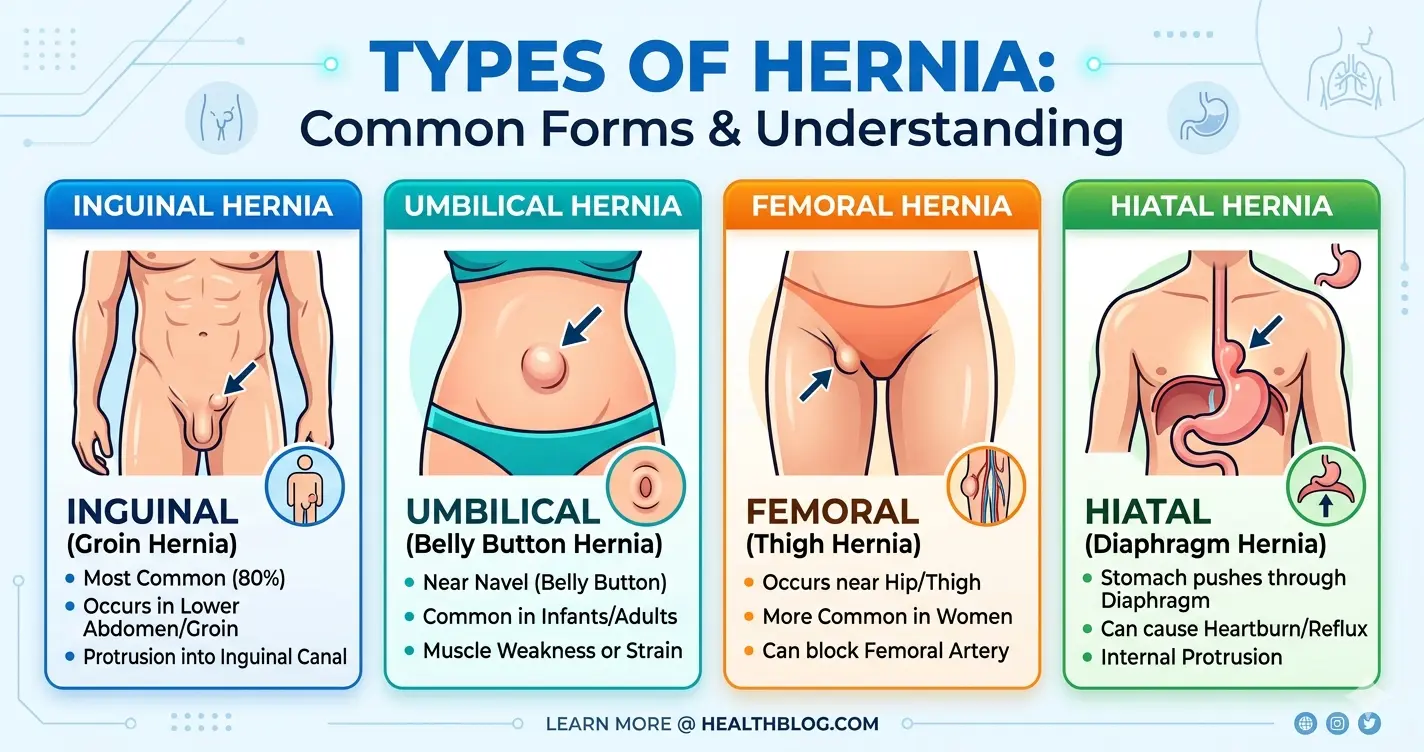
A hernia often starts as something “small”—a mild bulge or occasional discomfort. But over time, many hernias enlarge or begin to interfere with daily activities. While not every hernia requires immediate surgery, certain symptoms suggest you should get evaluated by a surgeon soon.
In Pune, Sharvari Hospital offers laparoscopic and other procedure-based hernia care after diagnosis and assessment. In this article, we highlight five signs that may indicate you need hernia surgery.
1) You notice a bulge that becomes more prominent
Many hernias present as a swelling or bulge in the groin, abdomen, or near the navel. The bulge often becomes more noticeable with:
- Coughing
- Straining during bowel movements
- Lifting heavy objects
- Standing for long periods
If the bulge is getting bigger or more persistent, it’s a good reason to schedule a surgical consultation.
2) Pain or heaviness that worsens with activity
Hernia discomfort can feel like:
- Aching or pulling sensation
- Heaviness in the affected area
- Burning pain during movement
If symptoms are increasing or interfering with walking, exercise, or work, it may suggest the hernia is not stable.
If your symptoms match this, review service options like /hernia-surgery, /services/inguinal-hernia, or /services/umbilical-hernia.
3) The bulge is hard, tender, or suddenly very painful
Most hernias can be pushed back (reducible) at least temporarily. But if the bulge becomes:
- Hard and tender
- Unable to go back in
- Suddenly more painful than before
you should seek medical evaluation promptly.
Some of these symptoms can indicate complications that require urgent care.
4) You experience digestive or bladder-related discomfort
Depending on the hernia type and location, you may notice:
- Bloating or discomfort
- Constipation or difficulty passing stool due to pain or mechanical effects
While these symptoms are not exclusive to hernias, persistent issues—combined with a bulge—should be checked by a surgeon.
5) Your hernia keeps returning to trouble you
Sometimes, patients ignore a hernia because the symptoms improve temporarily. But repeated episodes of pain, discomfort, or bulge prominence usually mean the hernia is continuing to cause mechanical strain.
Long-term, a surgeon may recommend repair to prevent future discomfort and reduce risk of complications.
What happens during a hernia consultation?
In consultation, doctors typically:
- Examine the hernia clinically
- Decide whether imaging is needed (as advised)
- Discuss procedure options based on hernia type and size
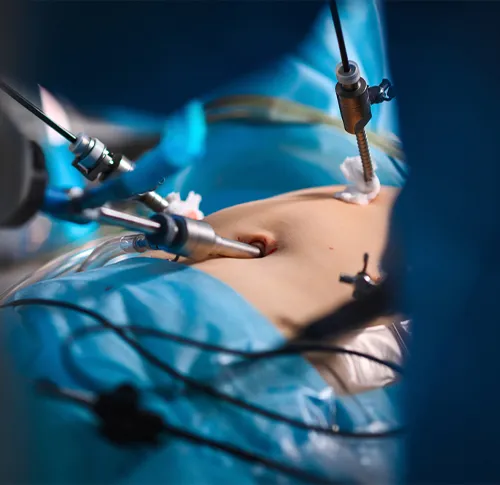
At Sharvari Hospital, your plan may include laparoscopic hernia repair when it is appropriate for your findings. Your surgeon will also explain preparation and recovery.
When is hernia care urgent?
Seek urgent medical attention if you have:
- Severe, persistent pain
- A bulge that cannot be reduced
- Vomiting or severe nausea
- Fever or worsening weakness
These can be signs of complications that need prompt treatment.
Book hernia surgery consultation in Pune
If you’re noticing any of the signs above, don’t wait for the problem to worsen. Book a consultation at Sharvari Hospital to get a specialist evaluation and a safe, personalized plan.
Book a consultation at Sharvari Hospital
Looking for hernia surgery near you in west Pune? Explore Hernia Surgery in Wakad, Hernia Surgery near Baner, and Hernia Surgery near Hinjewadi. You can also visit the main Hernia Surgery page.