“Doctor, my cousin had the same surgery last year and he was in bed for three weeks. I can’t afford that — I run a small shop. Is there any way to do this faster?”
Almost every week, a patient walks into my consultation room with this exact worry. They’ve heard about “laser”, “laparoscopy”, and “keyhole surgery”, but they aren’t sure what it really means — and more importantly, whether it is truly safer or just more expensive marketing.
So let me answer as simply and honestly as I can.
Minimally invasive surgery is not a magic upgrade. But for the right patient, it is dramatically better — less pain, smaller scars, shorter hospital stay, and a faster return to normal life. For the wrong patient, traditional open surgery is still the safer, smarter choice. The skill is in picking correctly.
I’m Dr. Kundan Kharde (MBBS, MS, FMAS) — a general and laser surgeon with 19+ years of experience at Sharvari Hospital, Pune. In this guide, I’ll walk you through what minimally invasive surgery actually is, the real benefits patients feel, where traditional surgery still wins, and how we decide what’s best for you.
What Does “Minimally Invasive Surgery” Actually Mean?
Minimally invasive surgery (MIS) is a broad term for any surgery that avoids one large incision. Instead, we operate through small keyhole punctures, natural body openings, or very precise energy sources like a laser fibre.
The three main flavours you’ll hear about are:
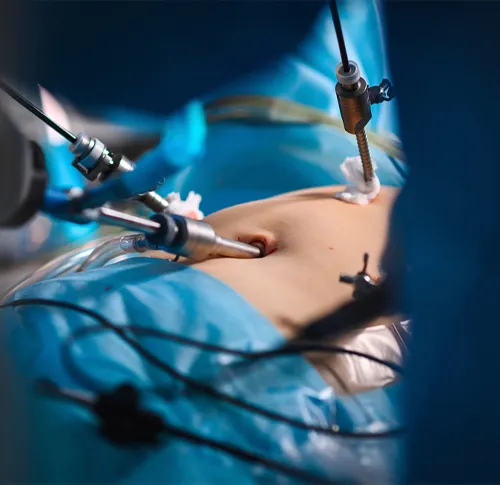
- Laparoscopic surgery — the surgeon makes 3 to 4 small cuts (usually 5–10 mm), inserts a tiny camera called a laparoscope, and operates using long thin instruments while watching a high-definition monitor. This is the standard for most gallbladder, hernia, appendix, and many gynaecological procedures.
- Laser surgery — a thin laser fibre is used instead of a scalpel to seal, shrink, or cut tissue. We use laser extensively for piles, fistula, varicose veins, pilonidal sinus, and circumcision.
- Endoscopic / scope-based surgery — a flexible scope is passed through a natural opening (mouth, anus, urethra) so there is no external cut at all.
All three share one core philosophy: less trauma to healthy tissue, targeted treatment of diseased tissue.
By contrast, traditional or “open” surgery uses one larger incision that lets the surgeon see and reach the operative area directly with the eye and the hand. It is a proven, time-tested approach — and in many emergencies it remains the right choice.
The Real Minimally Invasive Surgery Benefits — What Patients Actually Feel
Let’s move past the marketing language. Here’s what patients in my clinic genuinely experience after minimally invasive surgery compared to open surgery.
1. Much Less Pain After Surgery
Pain comes mostly from the cut — not from the operation inside. When a 15 cm incision becomes four 5 mm punctures, post-operative pain drops sharply. Most laparoscopic and laser patients need only mild oral painkillers for 2–3 days, not the heavy injections traditional open surgery often needs for over a week.
2. Smaller Scars — Often Barely Visible
Open abdominal surgery leaves a visible line. Minimally invasive surgery leaves small dots that fade into near-invisible marks over 3–6 months. For young patients, brides and grooms, and anyone who cares about how their body looks in everyday clothes, this matters more than people admit.
3. Shorter Hospital Stay — Often Same-Day Discharge
This is the benefit that changes lives. Many of our minimally invasive cases at Sharvari Hospital — laser piles, laparoscopic gallbladder, stapler circumcision, varicose vein laser — are completed as day care surgeries. You come in the morning and go home the same evening or next morning. Compare that to 5–7 days in a hospital bed after traditional open surgery.
4. Faster Return to Work and Family Life
For a desk-job professional in Wakad or Hinjewadi, the difference is often 2–4 weeks of saved recovery time:
| Procedure | Return to work — Open surgery | Return to work — Minimally invasive |
|---|---|---|
| Piles surgery | 2–4 weeks | 3–7 days |
| Gallbladder removal | 4–6 weeks | 7–10 days |
| Inguinal hernia repair | 4–6 weeks | 1–2 weeks |
| Varicose vein treatment | 3–4 weeks | 1–3 days |
| Circumcision | 10–14 days | 4–7 days |
These are real ranges we see at Sharvari Hospital with carefully selected patients. Your timeline will depend on the complexity of your case, your overall health, and your job type.
5. Lower Risk of Wound Infection
A smaller wound has less surface area for bacteria to invade. Wound infection rates after laparoscopic and laser procedures are significantly lower than after open surgery — a particularly important advantage for diabetic and obese patients whose wounds are slow to heal.
6. Less Blood Loss
Precision instruments, electrocautery, and laser energy seal blood vessels as they cut. That means less intra-operative blood loss, rarer transfusions, and a gentler experience for elderly patients with weaker hearts.
7. Better Long-Term Outcomes in Many Conditions
For several conditions — such as laparoscopic gallbladder removal and laser piles surgery — modern minimally invasive techniques also show equal or better long-term outcomes, not just nicer scars. Recurrence rates are comparable or lower when the surgery is done by an experienced specialist.
Where Traditional Open Surgery Still Wins
I’d be dishonest if I told you minimally invasive surgery is always superior. It isn’t. In some situations, open surgery is not just acceptable — it is the safer, more ethical choice.
- Emergency bleeding or trauma — where speed and direct control matter more than scar size.
- Severely strangulated hernias with dead bowel that must be inspected and removed.
- Very large or complex tumours that need wide exposure for safe removal.
- Dense adhesions from previous surgeries where keyhole access is technically unsafe.
- Complex recurrent fistula or advanced disease where the surgeon needs to see and feel the full anatomy to get a permanent cure.
- Patients who cannot tolerate the pressure of pneumoperitoneum (the gas used in laparoscopy) because of severe heart or lung disease.
A good surgeon will tell you honestly when minimally invasive isn’t the right fit. Beware anyone who promises “laser for everything” without examining you properly.
Side-by-Side Comparison: Minimally Invasive vs Traditional
| Factor | Minimally Invasive Surgery | Traditional Open Surgery |
|---|---|---|
| Incision size | 5–10 mm keyhole cuts, or no external cut at all | 10–25 cm single incision |
| Post-op pain | Mild to moderate, usually 2–3 days | Moderate to severe, often 7–10 days |
| Hospital stay | Day care to 1–2 days | 3–7 days |
| Scarring | Minimal, often invisible after 6 months | Clearly visible scar line |
| Blood loss | Low | Higher |
| Infection risk | Lower | Higher |
| Return to work | Days to ~2 weeks | 3–6 weeks |
| Cost | Slightly higher upfront | Lower upfront, higher indirect (leave, help, follow-up) |
| Specialist training | Requires specific minimally invasive expertise | Available with most general surgeons |
| Ideal for | Most elective, planned cases | Emergencies, complex anatomy, certain advanced disease |
When patients see this table, the cost question usually becomes clearer on its own. A slightly higher surgical fee is often more than offset by fewer days off work, less need for a caregiver at home, and fewer complications to manage later.
How Doctors Actually Decide — The Honest Version
At Sharvari Hospital, we don’t pick a technique from a brochure. We pick it after carefully assessing several factors together:
- Your exact diagnosis and stage of disease
- Imaging findings — ultrasound, MRI, CT, or colonoscopy
- Previous surgeries and likely scar tissue
- Age, weight, diabetes, and heart / lung status
- Urgency — is this planned, or an emergency?
- Your lifestyle and recovery constraints (job, family responsibilities, travel)
- Realistic cost, insurance coverage, and day-care eligibility
Only after all of this do we recommend either a minimally invasive or open approach — and we explain, in plain language, why.
Common Myths Patients Bring to the Clinic
“Laser surgery is painless.” Less painful, yes. Completely painless, no. Expect mild soreness for a few days.
“Keyhole surgery means no risk.” Every surgery has risk. Minimally invasive surgery has lower risk of some complications but needs a well-trained surgeon and proper equipment to be truly safe.
“It’s too expensive.” Upfront cost is slightly higher. Total cost — including lost wages, extra medicines, caregiver time, and follow-up — is often similar or lower.
“If I ever had a previous surgery, I can’t have laparoscopy again.” Often untrue. Many re-operations are done laparoscopically by experienced surgeons.
“Open surgery is old-fashioned.” Open surgery is a lifesaving skill. A good surgeon keeps it in their toolkit even while preferring minimally invasive first.
Recovery & Lifestyle Tips — Either Way
Whichever route you take, recovery outcomes improve dramatically with a few simple habits:
- Walk gently from day one — short, slow walks prevent clots and speed healing.
- Eat a high-fibre, high-protein diet. Vegetables, dal, curd, eggs, and plenty of water help tissues repair.
- Avoid heavy lifting for the period your surgeon specifies — usually 2–6 weeks.
- Take your full course of prescribed antibiotics and laxatives, even if you feel fine.
- Attend every follow-up visit. Most avoidable complications get caught early there.
- Stop smoking. Wound healing visibly improves within days of quitting.
If you have diabetes, high blood pressure, or a thyroid disorder, keeping these well controlled before and after surgery is one of the biggest levers for a smooth recovery — regardless of technique.
When to See a Doctor — Don’t Wait for “Major” Symptoms
Many conditions that need surgery start off mild. People often delay because they feel “it’s manageable.” In my experience, early consultation is the single biggest predictor of whether you qualify for a minimally invasive option at all. Advanced disease sometimes forces us into open surgery.
Please see a surgeon promptly if you notice:
- Persistent rectal bleeding, pain on passing stool, or a lump near the anus
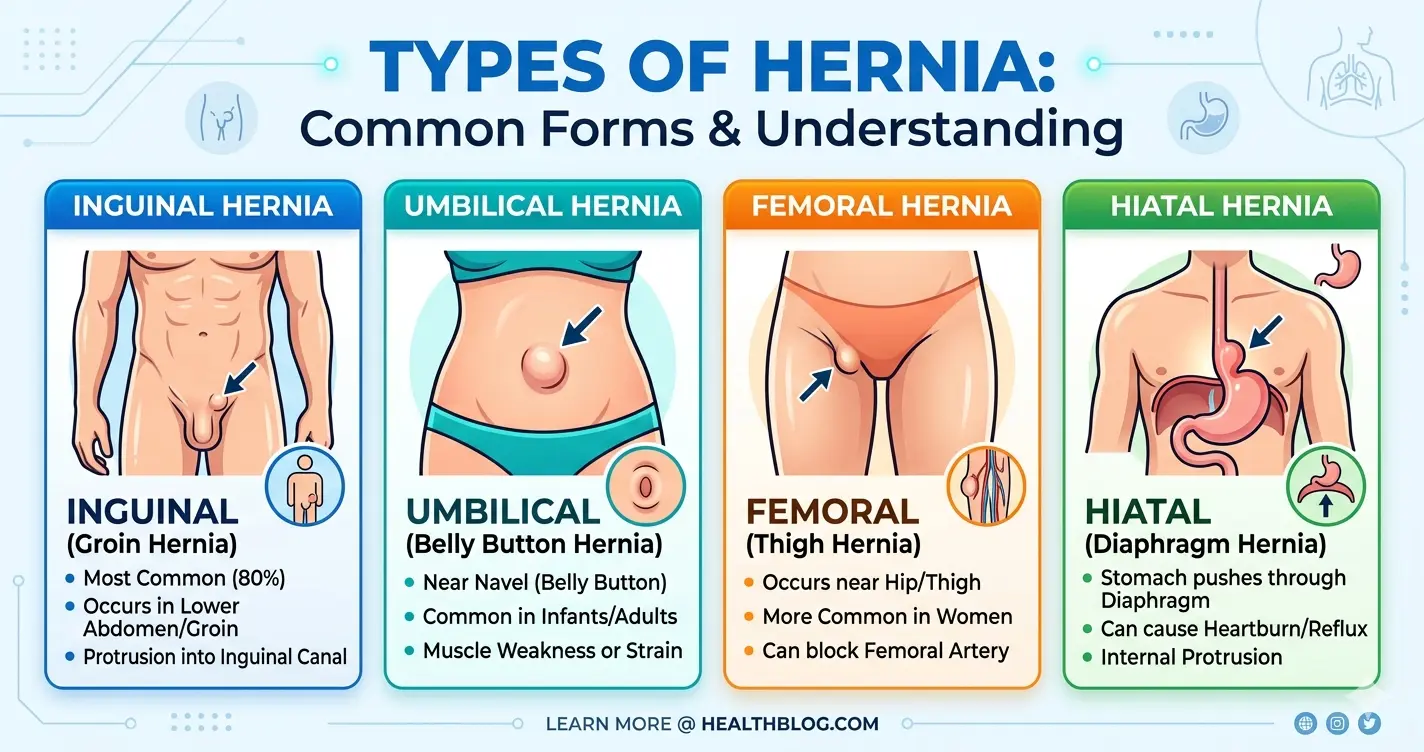
- A bulge in the groin, navel, or old scar that grows or becomes painful
- Repeated right-upper-abdomen pain after fatty meals
- Heavy, aching, twisted leg veins with swelling or skin changes
- A non-healing pit, swelling, or discharge in the tailbone area
- Any lump that is new, growing, or associated with weight loss
Early evaluation keeps more of your treatment options open — including the minimally invasive ones.
Why Choose Sharvari Hospital for Minimally Invasive Surgery in Pune
At Sharvari Hospital, Wakad / Pimple Nilakh, our philosophy is simple: Precise Surgery, Swift Recovery. We’re set up specifically to deliver minimally invasive care safely and honestly.
- 19+ years of surgical experience under Dr. Kundan Kharde (MBBS, MS, FMAS), focused on laparoscopic, laser and minimally invasive procedures.
- Advanced laser and laparoscopic infrastructure — diode laser systems, HD laparoscopy stacks, and modern day-care operation theatres.
- Dedicated day-care surgery pathway for gallbladder, hernia, piles, fistula, varicose veins, circumcision and more — most patients go home the same day or next morning.
- Cashless insurance support with major TPAs, transparent estimates before surgery, and written counselling so you always know what you’re paying for.
- 240+ Google reviews built on years of honest surgery and follow-up care for patients from Wakad, Pimple Nilakh, Hinjewadi, Aundh, Baner, Ravet, and Tathawade.
If you’d like a clear, unbiased opinion on whether minimally invasive surgery is right for your condition — or whether open surgery is actually the safer choice for you — please reach out.
Book a consultation with Dr. Kundan Kharde at Sharvari Hospital:
- Phone: +91 951 951 1928
- WhatsApp: +91 951 951 1928
- Email: [email protected]
- Address: Sharvari Hospital, Wakad / Pimple Nilakh, Pune — 411027
- Google reviews: 240+ Google reviews
Frequently Asked Questions
Is minimally invasive surgery safer than open surgery?
For most planned, non-emergency operations, yes — the risks of infection, bleeding, and wound complications are lower. But safety also depends on the surgeon’s experience and the complexity of your case. In certain emergencies, open surgery is the safer option.
Is minimally invasive surgery more expensive in Pune?
The direct surgical cost can be slightly higher because of the specialised equipment and disposables used. However, when you add shorter hospital stay, less medicine, less leave from work, and fewer complications, the total cost often evens out — and many plans cover minimally invasive procedures cashless.
How soon can I go back to work after laparoscopic or laser surgery?
Most desk-job patients return to work within 3–10 days depending on the procedure. Jobs that involve heavy lifting or long standing may need 2–3 weeks. Your surgeon will give you a specific plan.
Will I still have scars?
Yes, but much smaller ones — usually 3–4 marks of about 5–10 mm. Most fade significantly within 6 months and become difficult to notice over time.
Can minimally invasive surgery treat complex or recurrent disease?
Often yes, in expert hands. But sometimes complex recurrent disease (like advanced fistula or very large strangulated hernia) is safer with an open approach. An experienced surgeon will tell you honestly.
Does every hospital offer minimally invasive surgery?
No. It requires specialised training, equipment, and a supporting team. Always ask your surgeon how many cases of your specific procedure they perform every year, and whether the hospital is equipped for emergencies if the minimally invasive plan needs to be converted to open.
Medically reviewed by Dr. Kundan Kharde, MBBS, MS (General Surgery), FMAS — Lead Surgeon, Sharvari Hospital, Wakad / Pimple Nilakh, Pune. This article is for general information only and does not replace a personal surgical consultation.