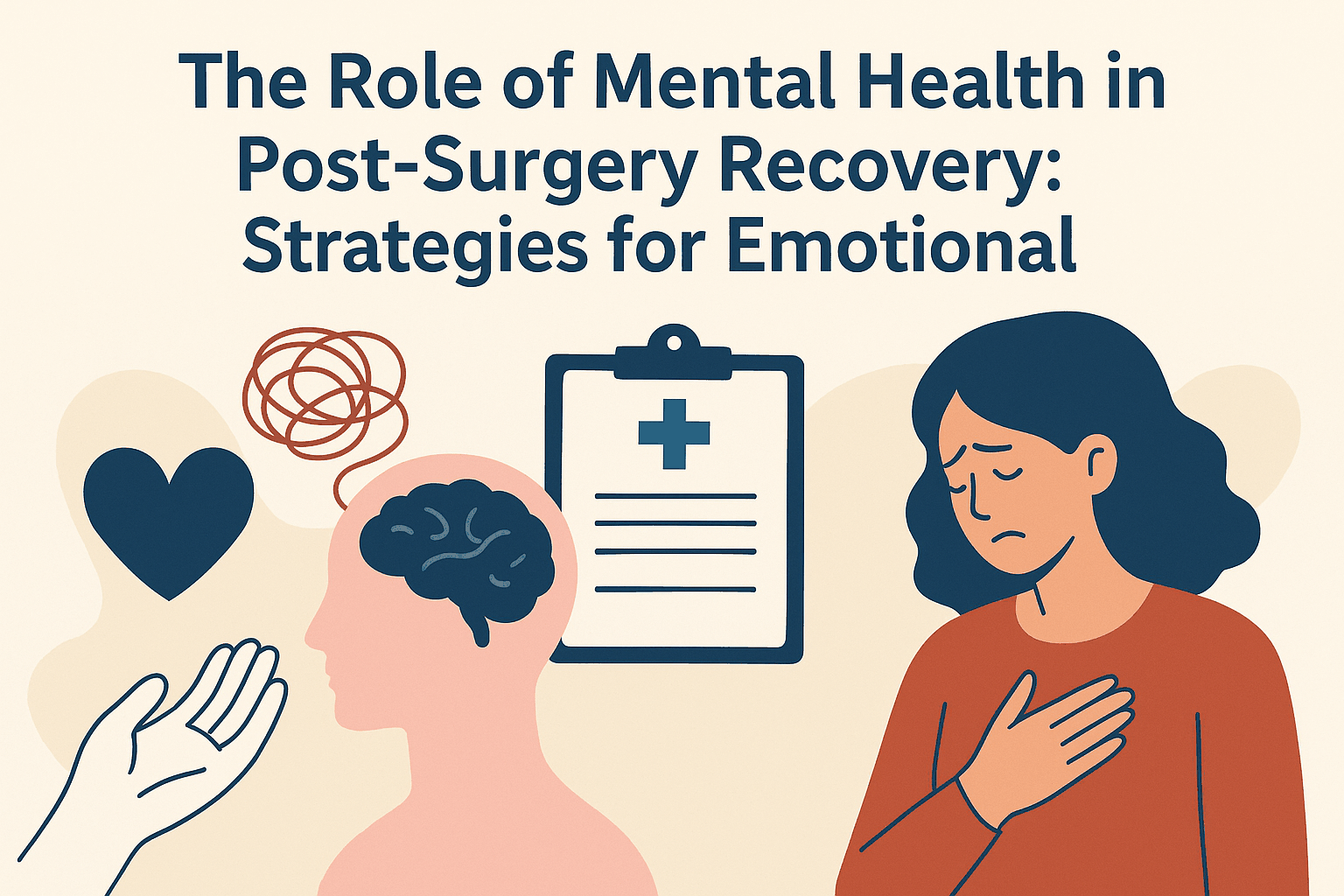
Post-surgery recovery is not only physical. It is emotional too.
Many patients focus on stitches, medicines, and diet. They often ignore stress, fear, and mood changes. That can slow healing.
At Sharvari Hospital, we treat mental health in post-surgery recovery as an essential part of care.
Why emotions affect recovery
After surgery, it is common to feel:
- Anxiety about pain or complications
- Low mood due to limited mobility
- Fear of depending on others
- Frustration with slower progress
These reactions are normal. But if they stay intense, they can increase pain perception, disturb sleep, and delay wound healing.
Common mental health signs to watch
Look for these warning signs during recovery:
- Persistent sadness for more than two weeks
- Panic or constant fear about health
- Poor sleep despite fatigue
- Loss of appetite or overeating
- Withdrawal from family and friends
Early support prevents these symptoms from becoming severe.
Practical ways to reduce anxiety
Simple daily habits can improve emotional well-being:
- Breathing practice: 5 to 10 minutes of slow breathing, twice daily
- Short mindfulness sessions: guided meditation or prayer for calm focus
- Small goals: celebrate walking farther, eating better, or sleeping longer
- Routine: fixed sleep and meal times to stabilize mood
Short practices done consistently are more useful than long sessions done rarely.
Role of family and caregivers
Recovery is easier with support at home.
Family members can help by listening without judgment, encouraging medicines and follow-ups, and avoiding fear-based conversations.
A calm home environment often improves confidence and pain tolerance.
When to seek professional help
Consult a mental health professional if emotional symptoms interfere with sleep, appetite, or daily function.
Counseling, stress-management therapy, or short-term medication can help in selected cases. Getting help early is a strength, not a weakness.
How hospitals can support emotional recovery
Good post-operative care should include:
- Clear pre-surgery counseling on what to expect
- Regular check-ins on mood and sleep
- Easy access to psychological support when needed
- Family education for home care
This integrated model improves patient comfort and long-term outcomes.
Final takeaway
Mental health in post-surgery recovery is not optional. It is part of safe healing.
When physical treatment is combined with emotional support, patients recover faster, feel more confident, and return to normal life with better quality.