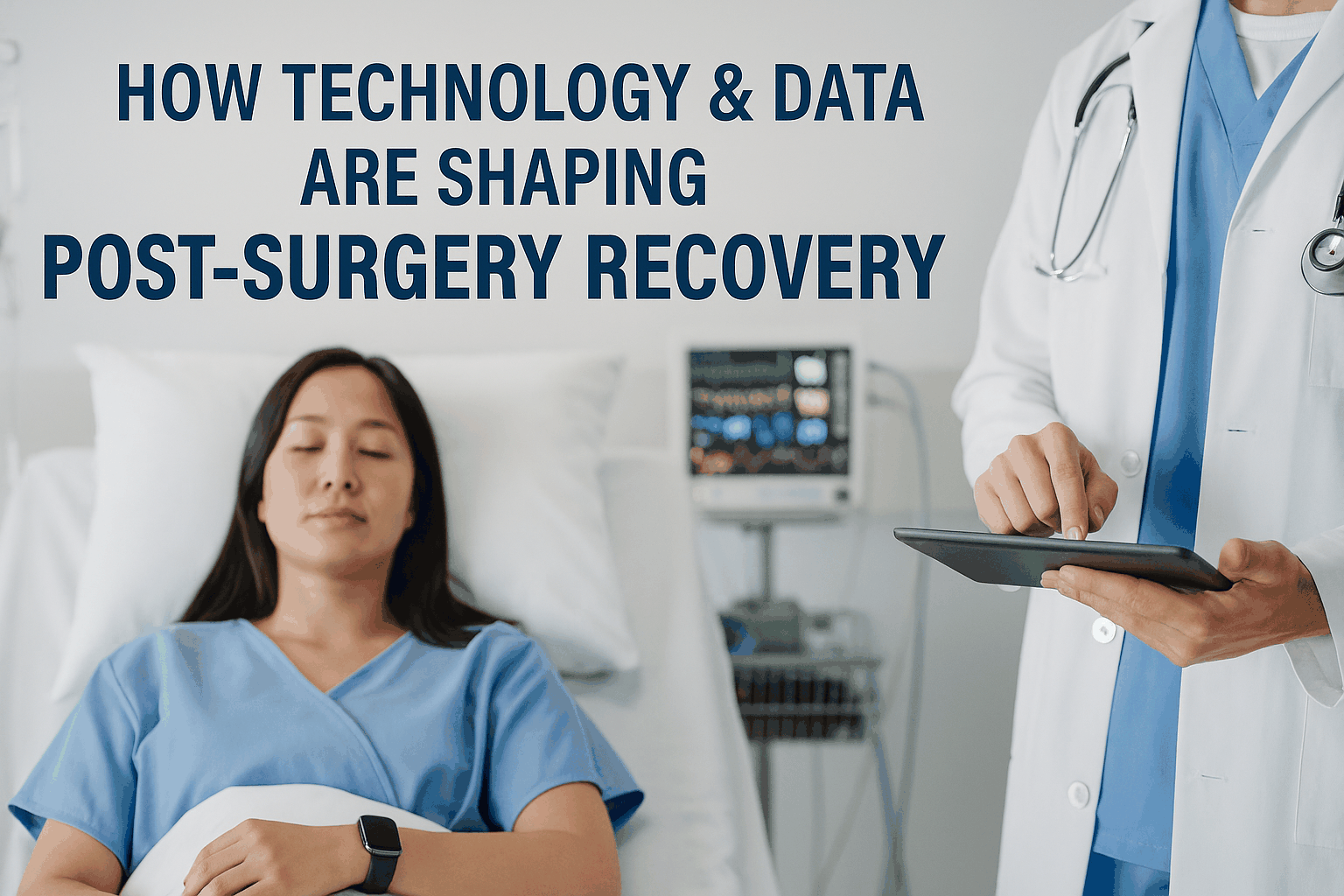
Post-surgery recovery technology is changing how patients heal after operations.
Instead of waiting only for in-person visits, doctors can now monitor progress through wearables, digital dashboards, and tele follow-ups.
Why data-driven recovery matters
Recovery can change quickly in the first few days after surgery.
Small warning signs, such as reduced activity or poor sleep, may appear before major symptoms. Early data helps teams intervene sooner and avoid complications.
Role of wearables in post-surgery care
Smart devices track useful recovery signals in real time:
- Heart rate trends
- Oxygen saturation
- Step count and activity level
- Sleep quality
- Temperature patterns
These metrics do not replace clinical judgment. They add an extra safety layer between follow-up appointments.
Real-time monitoring helps personalized plans
Recovery is not the same for every patient.
By using objective data, surgeons can adjust pain medicine timing, hydration targets, activity goals, and follow-up frequency for each person.
This improves comfort and often reduces unnecessary emergency visits.
Tele follow-ups reduce travel and stress
Tele-consultation has become a practical part of modern recovery, especially for short-stay procedures.
Benefits include:
- Faster access to specialist advice
- Better convenience for working families
- Reduced travel burden for elderly patients
- Lower exposure risk in crowded environments
In many cases, wound review and symptom checks can be done safely over video with clear instructions.
Predictive alerts improve safety
When multiple data points are reviewed together, teams can detect patterns early.
Examples include rising pulse with reduced sleep, falling activity despite pain medication, or temperature fluctuation after discharge.
These trends guide timely calls, tests, or medication changes before symptoms worsen.
Technology plus human care works best
Digital tools are powerful, but they work best when combined with clinical examination and patient counseling.
At Sharvari Hospital, the focus remains patient-centered:
- Clear discharge education
- Structured follow-up schedule
- Easy escalation for red-flag symptoms
- Personalized support based on recovery data
Practical tips for patients
To benefit from post-surgery recovery technology:
- Wear your device consistently for the first recovery phase
- Share accurate symptom updates in app or calls
- Do not ignore alerts for fever, severe pain, or breathlessness
- Attend scheduled tele and physical reviews
Final takeaway
Post-surgery recovery technology is not about replacing doctors. It is about improving visibility between visits.
With wearables, real-time data, and tele follow-ups, recovery becomes safer, more personalized, and more convenient for patients and families.