

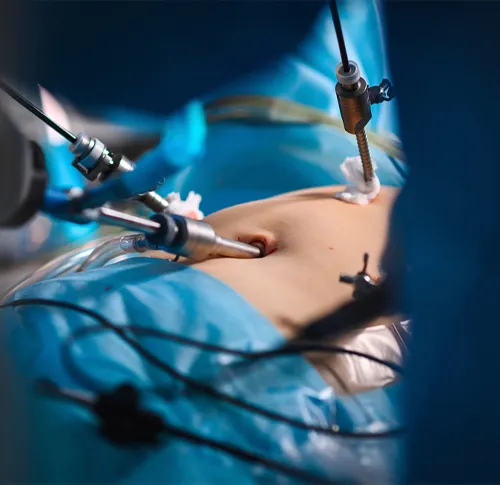
Preparing for surgery can feel stressful—especially when you’re not sure what “pre-op preparation” actually means. If your surgeon has recommended a laparoscopic procedure, the best preparation is a mix of medical readiness and practical planning so that recovery starts smoothly.
At Sharvari Hospital in Wakad, Pune, we emphasize patient-first preparation and clear instructions. This guide outlines the common steps doctors recommend before laparoscopic surgery.
1) Understand your procedure and your recovery timeline
Before your surgery date, ask your surgeon or the pre-op team:
- What condition are we treating and what is the surgical plan?
- Is this a keyhole procedure, and what incision or port sites are expected?
- How long do you expect recovery to take?
- What restrictions will apply during the first days after surgery?
If you’re planning laparoscopic treatment for hernia, appendicitis, or gallbladder stones, you can explore related pages like /hernia-surgery, /laparoscopy, and /services/gallbladder-surgery.
2) Complete pre-op evaluations and tests
Laparoscopic surgery often requires a standard pre-operative workup based on your health. Your doctor may order:
- Blood tests (as appropriate)
- Urine tests (as appropriate)
- Any condition-specific investigations
- An anesthesia fitness review
Bring your previous reports and a list of medications so the team can confirm what should continue and what may need adjustment.
3) Review your medicines with your doctor
Do not stop medicines on your own. Many patients take medications for BP, diabetes, thyroid, or other conditions. Your team will advise:
- Which medicines to continue
- Which medicines might need temporary adjustment
- When to take your medicines on the day before surgery and the morning of surgery (as instructed)
If you take blood thinners or anti-platelet medicines, this must be discussed in advance.
4) Follow fasting and arrival instructions
Anesthesia typically requires fasting to reduce aspiration risk. Your team will provide clear instructions on:
- When to stop food
- When to stop liquids
- When to arrive at the hospital
Plan for transportation and check-in time. If possible, arrange a family member to accompany you, especially on the day of surgery.
5) Lifestyle steps that can help recovery
In the weeks leading up to surgery, doctors often advise:
- Avoiding smoking or tobacco use if possible
- Getting appropriate rest
- Managing constipation risk (especially important for abdominal and proctology procedures)
These steps support safer healing and smoother post-op progress.
6) Prepare your home for recovery
Recovery can be easier when your home is ready. Consider:
- Keeping essentials within easy reach
- Having comfortable clothing that won’t rub incision sites
- Planning gentle mobility (as your doctor permits)
- Knowing where your discharge documents and prescriptions are kept
Your surgeon will also explain whether you should use pain medicines, stool softeners, or specific wound-care steps.
7) What to expect on the day of surgery
On the day, you’ll generally go through:
- Final pre-op checks
- Anesthesia preparation
- The procedure itself
Your doctor will explain what’s happening and what monitoring is needed.
8) Post-op instructions matter as much as pre-op prep
Preparation isn’t complete until you understand recovery guidance. Make sure you know:
- Your pain control plan
- Diet progression recommendations
- Activity and mobility guidance
- When and where follow-up happens
- Warning signs that require immediate attention
If you need broader guidance, see our post-op care guide in /patient-resources/post-op-care.
Book your laparoscopic consultation at Sharvari Hospital
If you’re in Pune and planning laparoscopic surgery, book a consultation at Sharvari Hospital. Our specialists help you prepare properly and guide you step by step so recovery feels more predictable.
Book a consultation at Sharvari Hospital