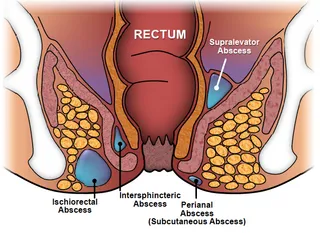
Good surgery starts with good questions. Before you sign consent, you deserve plain answers about your fistula type, imaging, technique choice, continence, recovery, costs, and warning signs. Below are 10 questions—each followed by a short paragraph explaining why it matters and what a thoughtful answer sounds like. Save this page on your phone or print it. Book a consult at Sharvari Hospital via book online. Background reading: fistula treatment in Pune, how Dr. Kharde decides which fistula operation you need and how to choose a fistula doctor in Pune. Proctology services cover evaluation through recovery.
Medically reviewed by Dr. Kundan Kharde, MS, FMAS — Senior Proctologist at Sharvari Hospital, Pune. View profile.
Why asking questions matters
Shared decision-making works best when you understand trade-offs. Fistula surgery is not like removing a simple skin tag—anatomy and muscle involvement change risk. Writing down answers helps you compare opinions if you seek a second consult.
1. What type of fistula do I have—and what does that mean for me?
Fistulas are grouped by how they relate to the sphincter muscles (often described as simple/low vs high/complex patterns). The type guides whether fistulotomy, seton, LIFT, laser, VAAFT, or flap options are even on the table. If your doctor cannot explain your classification in plain language, ask them to draw a diagram or show you on the MRI report.
2. Do I need MRI or ultrasound before surgery?
Yes — expect it. Almost every fistula patient at Sharvari Hospital is imaged before surgery — an MRI fistulogram or a trans-rectal ultrasound. The scan shows the tract’s height, any branches, and how much sphincter it crosses, and that is what decides which technique is safe. Ask which scan is being ordered and how it will change the plan. Our diagnosis guide explains these tests in patient terms. What each line of the report means, and how one MRI changed an operation, is explained under MRI fistula mapping.
3. Which procedure are you recommending—and what are the alternatives?
You should hear a first-choice plan plus reasonable alternatives, including doing nothing (if ever appropriate) and staged options. For example, a seton first may be safer than immediate fistulotomy in selected high tracts. If only one branded technique is offered without reasoning, ask why.
4. What are my recurrence risks for this specific plan?
Recurrence risk is not a single internet number. It depends on complexity, prior surgery, and technique. A good answer discusses your factors honestly and what follow-up looks like if drainage returns. See also what data says about success rates.
5. What are the continence risks—and how do you reduce them?
Incontinence here can mean trouble holding stool, gas, or urgency. Some procedures divide less muscle; others trade slightly higher recurrence for continence protection. Ask what symptoms to report early after surgery.
6. What will recovery look like for my job and daily life?
Tell your doctor if you sit at a desk, drive long hours, or do heavy lifting. Recovery ranges from days for selected cases to weeks for complex repairs. Cross-read day-by-day recovery and desk-job quick recovery.
7. What pain control, dressings, and baths will I need at home?
Ask which pain medicines are planned, whether laxatives are routine, and how to do sitz baths or cleansing. Clarify driving rules if you take sedating tablets. Diet tips: best diet after fistula surgery.
8. What if I have Crohn’s disease, diabetes, or other illnesses?
Crohn’s perianal disease may need medical therapy coordination and staged surgery. Diabetes affects healing and infection risk. Bring a full medicine list and specialist names.
9. What costs should I expect—and how does insurance work?
Ask for a written estimate pathway after exam, what the package includes, and which charges might be extra. Insurance concepts: fistula insurance guide and cost drivers 2026.
10. What symptoms should make me call urgently after surgery?
Typical red flags include fever, rapid swelling, heavy bleeding, urinary retention, or worsening pain after an initial improvement. Write down the after-hours contact number before you leave the hospital.
Partner or family: how they can help in the consult
Bring one trusted listener who can take notes. They can repeat back the plan while you are nervous. They should avoid interrupting the doctor, but they can ask one clarifying question at the end: “What is the single most important warning sign we should watch for?” This improves shared understanding without turning the visit into a debate.
After you get answers: what to do next
File your notes under dates and doctor name. If two opinions differ, list why—often the difference is imaging availability, risk tolerance, or timing of staged steps. Schedule surgery when you understand bowel prep, fasting, and medicine holds (like blood thinners) clearly. If anything feels vague, ask again; clarity is part of safe care. When you are ready to discuss your own case, book a consult with an experienced fistula treatment in Pune.
Printable summary (10 bullets)
- Fistula type and what it implies
- Which imaging — MRI fistulogram or trans-rectal ultrasound
- Recommended procedure + alternatives
- Recurrence risk for you
- Continence risk + safeguards
- Work and activity timeline
- Pain and wound care plan
- Other illnesses coordination
- Cost and insurance steps
- Urgent symptom list
If answers feel rushed: scripts that help
Say: “I need sixty seconds to write this down—can you repeat the plan?” or “Can you explain that in non-medical words?” Good teams accommodate. If you still feel unclear, it is okay to pause surgery scheduling until you understand bowel prep, fasting, and transport.
Children, elders, and caregivers in the room
Decide who should attend. Too many voices can confuse; one advocate is often ideal. For elderly patients, hearing checks and written instructions help. For young adults, privacy matters—ask for chaperone policies if that affects comfort.
Faith, fasting, and surgical timing
If religious fasting affects medicines or recovery nutrition, discuss calendar timing with your team. Surgeons often accommodate reasonable requests when safety is preserved.
Voice notes and translation apps
If you process information better by listening, record voice notes after the consult (ask permission if recording the doctor directly—policies differ). Translation apps can help families, but medical terms may mistranslate—confirm critical words in English or Marathi with the team.
What to avoid asking (tone matters)
Avoid accusatory openings like “You better not ruin my continence.” A collaborative tone gets better answers: “I am afraid of continence change—how do you reduce that risk for my map?” Surgeons respond well to honest fear paired with curiosity.
Common questions (FAQ)
What should I ask before fistula surgery?
Use the 10 questions above—mapping, technique, recurrence, continence, recovery, cost, and emergencies.
What are risks of fistula surgery?
Pain, bleeding, infection, recurrence, and continence issues—severity varies by anatomy and technique.
How to prepare for fistula surgery?
Follow bowel prep if given, review medicines, arrange transport, and plan work leave.
Can I refuse fistula surgery?
You can ask about alternatives and risks of waiting; abscess still needs urgent care.
When should I get a second opinion?
If the plan feels unclear, disease is complex, or you have recurrent failure. The same applies after any anorectal operation that has not settled — persistent pain, narrowing or a wound that will not heal months after piles surgery, for example, is explained in anal stenosis after piles surgery: causes and correction.
Sources
- Mayo Clinic — Questions to ask your doctor: https://www.mayoclinic.org/patient-visitor-guide
- NHS — Consent to treatment: https://www.nhs.uk/conditions/consent-to-treatment/
- American Society of Colon and Rectal Surgeons — Anal abscess and fistula: https://fascrs.org/Web/Web/Patients/Diseases-and-Conditions/A-Z/Abscess-and-Fistula-Expanded-Information.aspx
- Cleveland Clinic — Anal fistula: https://my.clevelandclinic.org/health/diseases/14466-anal-fistula
- NICE — shared decision making: https://www.nice.org.uk/about/what-we-do/our-programmes/nice-guidance/nice-guidelines/shared-decision-making