

When you’re facing a surgical decision, “Which is better?” is usually the most important question. Patients want less pain, faster recovery, fewer complications, and results that last. Laser and traditional surgery may both be valid options—what matters is choosing the right approach for the specific condition, grade, and patient factors.
At Sharvari Hospital in Wakad, Pune, we focus on procedure selection based on accurate diagnosis. In this guide, we break down the practical differences between laser and traditional surgical approaches and explain what to discuss during consultation.
Why one approach is not always better than the other
Laser procedures are often designed to be targeted and minimally invasive. Traditional surgery can be needed when the anatomy is complex, when tissue removal must be more extensive, or when laser/minimally invasive options are not suitable for that grade.
That’s why the “best” option is not universal—it’s the safest option that matches your condition.
What does laser surgery aim to improve?
Laser and other minimally invasive techniques are commonly chosen to:
- Reduce tissue trauma in selected cases
- Support earlier functional recovery
- Potentially reduce post-procedure discomfort
- Help patients return to daily activities more smoothly
For example, in conditions like piles, laser-based strategies may be used after proctology evaluation confirms your grade and anatomy (/piles-treatment).
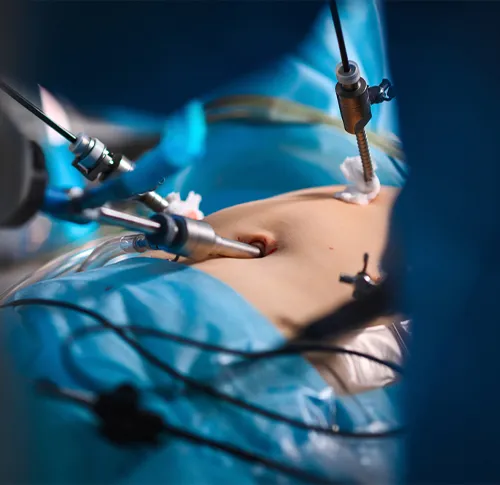
In other areas like laparoscopy, minimally invasive approaches are often chosen when they can reduce incision burden and support early recovery (/laparoscopy).
What are traditional surgery approaches typically focused on?
Traditional procedures may involve larger incisions or more extensive tissue handling. They can be highly effective and, in many cases, are the correct choice for the right patient.
Traditional surgery may be especially considered when:
- The condition grade or anatomy requires broader access
- There is a need for definitive removal or repair
- Minimally invasive techniques are not suitable in the specialist’s judgment
Recovery: what patients usually notice
Many patients associate laser with less recovery burden. In practice, recovery depends on:
- The specific procedure
- Your baseline health
- How well constipation, wound care, and diet guidance are followed (for proctology)
- Whether infection risks or other complications occur
Patients should avoid assuming that “laser automatically means no downtime.” Instead, ask the surgeon for recovery expectations tailored to your procedure.
If you’re planning for a keyhole approach, you may find this helpful: /blog/preparing-for-laparoscopic-surgery.
Questions to ask during your appointment
To make a confident decision, bring these questions to your doctor:
- What is my condition grade or type, and what does it mean for treatment?
- Am I a candidate for laser/minimally invasive options?
- What benefits should I expect compared with traditional surgery for my case?
- How long is recovery, and what restrictions apply?
- What pain control plan do you recommend?
- What are the warning signs after surgery that require urgent follow-up?
- Can the treatment reduce recurrence risk for my specific grade?
Can laser surgery reduce recurrence?
Recurrence risk depends on the underlying condition and the quality of recovery support. Laser can be effective when the correct procedure matches the diagnosis. But long-term success also requires:
- Treating stool issues like constipation/straining (for piles and fissure)
- Following hygiene and wound care instructions
- Attending follow-up appointments
- Maintaining lifestyle guidance provided by your surgeon
Which option should you choose?
Laser vs traditional surgery should be decided after a specialist assessment. A good consultation will explain:
- Why one approach is recommended for your specific anatomy
- What alternatives exist
- Your personalized risks and expected recovery timeline
At Sharvari Hospital, we emphasize clear communication so you can choose with confidence—not just based on trend.
Book a consultation at Sharvari Hospital
If you’re searching for the right procedure option in Pune, book a consultation at Sharvari Hospital. Our surgeons will assess your condition and recommend the safest, most suitable approach for your recovery and long-term comfort.
Book a consultation at Sharvari Hospital